If you are asking how many watts does a freezer use, the answer depends on which kind of wattage you mean. A household freezer might draw roughly 80–250 watts while its compressor is running, require a much higher burst of starting power, and average far less over an entire day because the compressor cycles off after reaching the selected temperature.
Annual energy use offers a better basis for estimating electricity cost. ENERGY STAR reports example annual consumption of about 215 kWh for a certified chest freezer and 395 kWh for a certified upright freezer. Those figures equal average continuous loads of only about 24.5 and 45.1 watts, respectively, once compressor cycling and other operating modes are spread across the year.
To understand your own appliance, distinguish running watts, starting watts, average power, and annual kWh. Each number answers a different practical question.
Quick Answer
A typical household freezer may use approximately:
| Freezer type | Estimated running power | Possible startup range |
|---|---|---|
| Compact freezer | 50–120 W | 200–600 W |
| Chest freezer | 80–200 W | 400–1,200 W |
| Upright freezer | 100–250 W | 500–1,500 W |
| Large or older freezer | 150–400 W | 800–2,000 W |
These are broad planning ranges. Compressor design, freezer size, age, ambient temperature, defrost system, and operating voltage can produce values outside them.
For generator or inverter sizing, use starting watts and maximum input information. For electricity cost, use annual kWh from the EnergyGuide label or measured energy consumption.
How Many Watts Does a Freezer Use in Different Operating Modes?
Freezers do not normally consume one fixed amount of power continuously. Their demand changes as they move through several operating states.
Compressor startup
When cooling begins, the compressor motor may need a brief surge of current. Starting watts can be several times higher than normal running watts, although the exact ratio varies considerably by compressor and starting technology.
The surge may last only a fraction of a second or a few seconds, but a generator, inverter, or portable power station must still be able to supply it.
Active cooling
Once the compressor is running, power falls to its normal operating level. A modern chest freezer might use around 80–200 W during this period, while an upright model could fall around 100–250 W. These ranges are estimates rather than standards.
Idle period
After the freezer reaches its target temperature, the thermostat switches off the compressor. Controls and displays may continue to consume a small amount of power, but the main cooling load pauses.
Automatic defrost
A frost-free freezer periodically warms its evaporator to remove ice. During this cycle, the defrost heater may use more power than the compressor’s normal running demand. The cycle is temporary but contributes to daily and annual energy consumption.
Because these states occur at different times, a brief power-meter reading cannot always predict long-term electricity use.
Running Watts, Starting Watts, and Average Watts
These three measurements are often confused.
Running watts describe the power used while the compressor and related components are operating normally.
Starting watts, also called surge watts, describe the short power increase when the compressor starts.
Average watts spread the freezer’s total energy consumption across a longer period, including the time when the compressor is off.
Suppose a freezer uses 0.72 kWh during 24 hours. Its average power is:
Average watts = 0.72 kWh × 1,000 ÷ 24 hours
Average watts = 30 W
The compressor might still draw 140 W while running and considerably more during startup. The 30 W figure simply represents the full day’s energy averaged over 24 hours.
This distinction explains why two apparently contradictory figures—such as 140 running watts and 30 average watts—can both be correct.
Chest Freezer Wattage and Energy Use
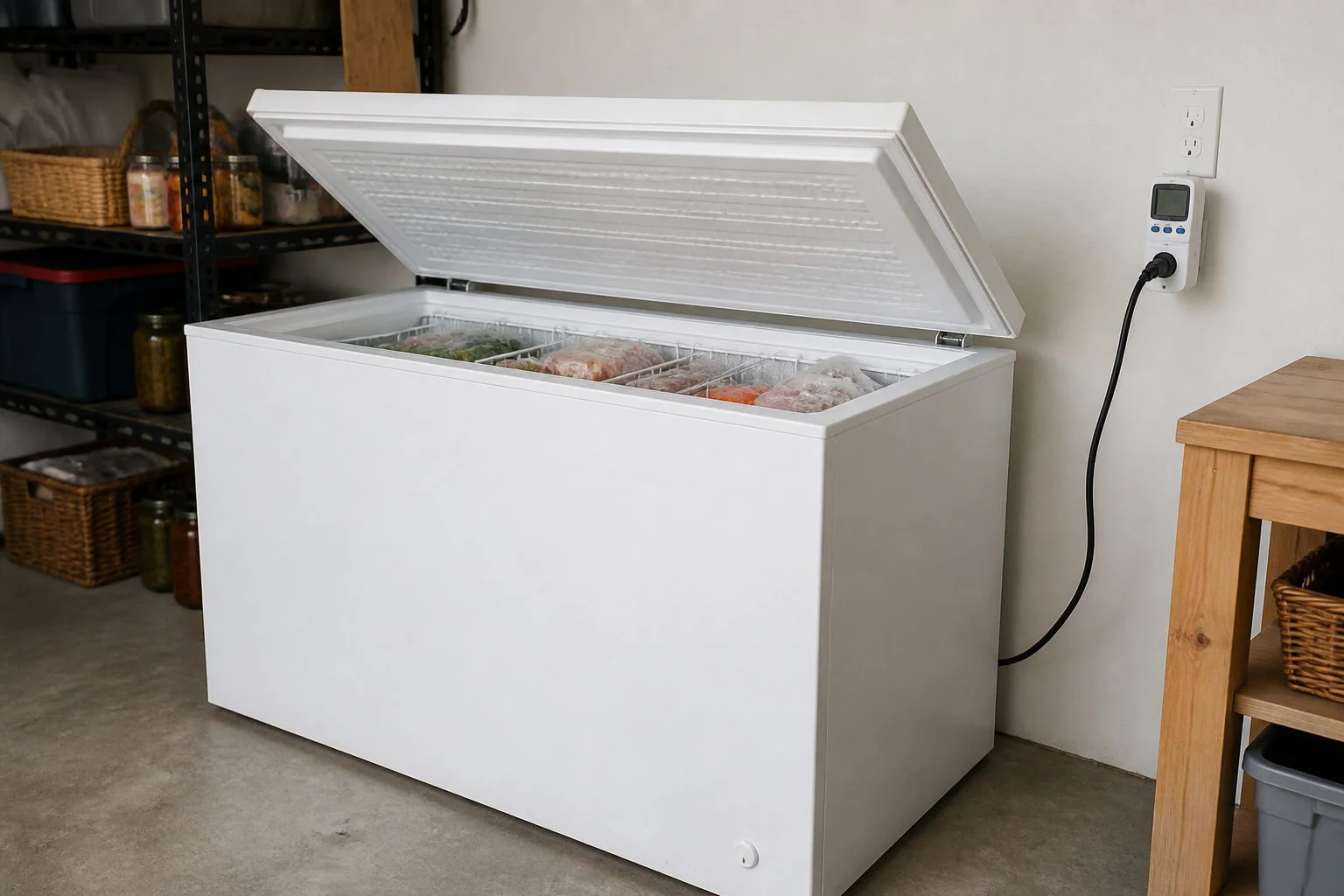
Chest freezers open from the top. Dense cold air tends to remain inside when the lid opens, which can reduce the amount of warm room air entering the cabinet. Their simple internal design and strong insulation can also support efficient operation.
A modern residential chest freezer may draw roughly 80–200 W when actively cooling. Compact models may use less, while large, older, or heavily loaded units may use more.
ENERGY STAR states that a certified chest freezer uses about 215 kWh per year. That converts to:
Daily energy = 215 ÷ 365 ≈ 0.59 kWh
Monthly energy = 215 ÷ 12 ≈ 17.92 kWh
Average power = 215 × 1,000 ÷ 8,760 ≈ 24.54 W
The 24.54 W average does not describe compressor running wattage. It includes the periods when the compressor is idle.
At an example electricity rate of $0.20 per kWh, annual operating cost would be:
215 × $0.20 = $43 per year
Actual cost depends on the appliance and local electricity rate.
Upright Freezer Power Consumption
An upright freezer offers shelves, door storage, and easier access to individual items. Opening the front door can allow more cold air to leave than opening the lid of a chest model, although actual efficiency depends on the entire appliance design.
An upright freezer may draw approximately 100–250 W while its compressor runs. Large models, older equipment, defrost heaters, fans, and anti-condensation components can increase consumption.
ENERGY STAR gives about 395 kWh per year as an example for a certified upright freezer. That equals:
Daily energy = 395 ÷ 365 ≈ 1.08 kWh
Monthly energy = 395 ÷ 12 ≈ 32.92 kWh
Average power = 395 × 1,000 ÷ 8,760 ≈ 45.09 W
At $0.20 per kWh:
395 × $0.20 = $79 per year
These ENERGY STAR figures provide useful benchmarks, not guaranteed consumption for every appliance. The ENERGY STAR freezer guide also states that certified freezers are at least 10% more efficient than models meeting the applicable federal minimum standard.
Freezer Energy Use by Type and Size
A larger freezer has more internal space to cool, but physical size alone does not determine its electricity consumption. Insulation, compressor design, temperature controls, door seals, defrost method, and efficiency rating can outweigh a simple cubic-foot comparison.
| Freezer category | Illustrative running watts | Possible annual energy |
|---|---|---|
| Compact manual-defrost freezer | 50–120 W | 120–250 kWh |
| Small chest freezer | 70–150 W | 150–300 kWh |
| Medium or large chest freezer | 80–200 W | 180–400 kWh |
| Upright manual-defrost freezer | 90–220 W | 200–450 kWh |
| Frost-free upright freezer | 100–250 W | 250–600 kWh |
| Large or older freezer | 150–400 W | 400–1,000+ kWh |
These ranges are deliberately broad. Use the exact model’s energy label for comparisons.
A well-designed larger freezer can consume less annual energy than an inefficient smaller unit. This is why “freezer watts by cubic feet” should be treated as a secondary estimate rather than the primary buying metric.
How to Find Your Freezer’s Actual Wattage
Several sources may provide useful information, but they do not all measure the same thing.
Check the nameplate
The label is often located on the rear wall, inside the cabinet, near the compressor compartment, or beside the electrical cord. It may show voltage, current, frequency, model number, and rated input.
If it lists watts, you have the rated power value. If it lists volts and amps, you can make a simple estimate:
Watts = Volts × Amps
For example, a nameplate showing 120 V and 1.5 A gives:
120 × 1.5 = 180 VA
For a simple estimate this may be treated as roughly 180 W, but technically volt-amperes and real watts are not always identical for a motor load because power factor can be below 1. Manufacturer wattage or a power-meter reading is preferable.
Read the EnergyGuide label
The EnergyGuide label usually provides estimated annual kWh. This is more useful than a maximum watt rating for calculating yearly operating cost.
Consult the product manual
The manual may identify rated current, defrost-heater power, required circuit, temperature limitations, and recommended installation clearances.
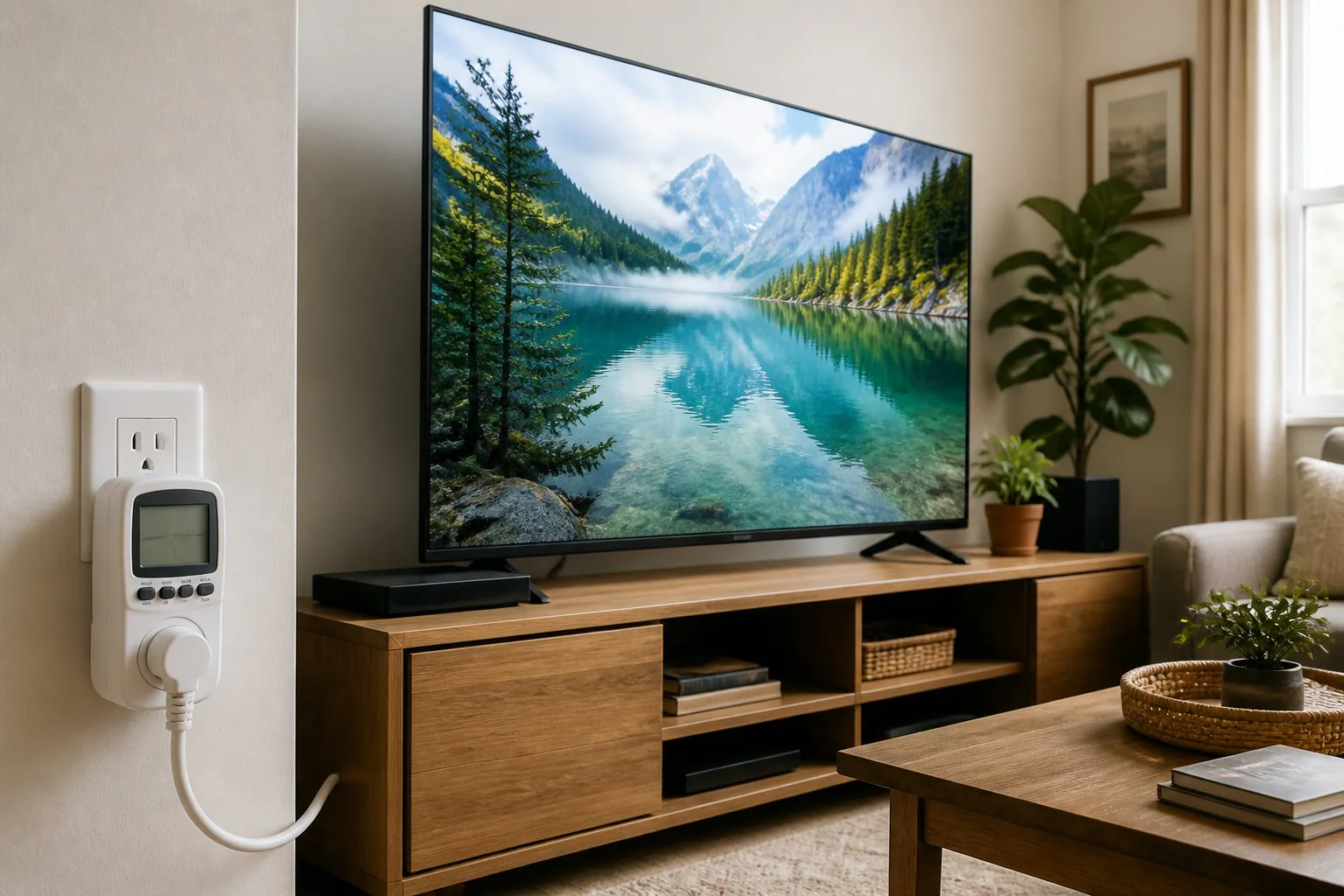
Measure with a plug-in power meter
A compatible plug-in energy monitor can record watts and accumulated kWh. Measuring for at least several days gives a more meaningful result than watching a single compressor cycle.
Include normal door openings and ordinary room conditions. For seasonal accuracy, remember that a garage freezer can behave differently in summer and winter.
How Much Electricity Does a Freezer Use?
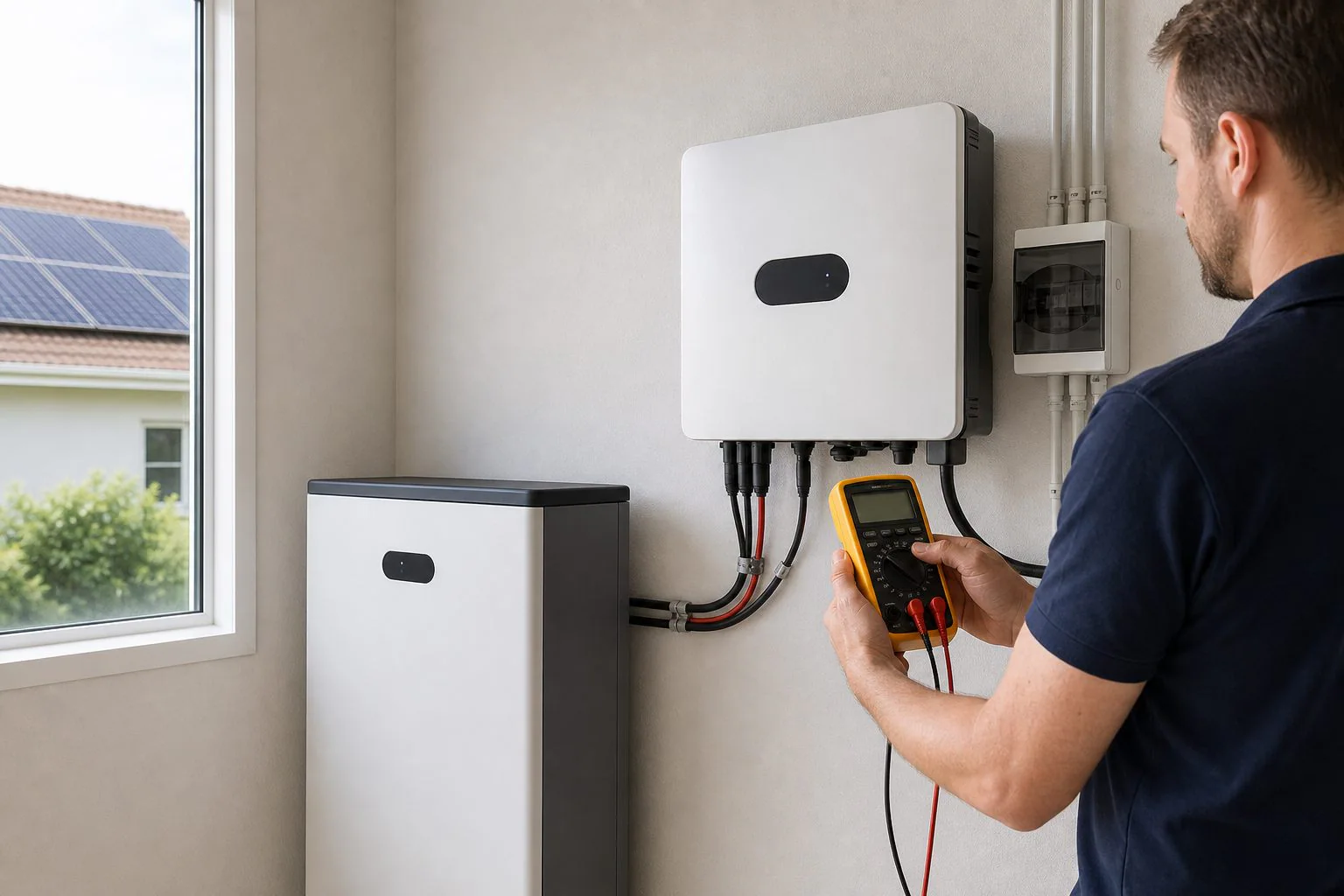
Watts describe power at a moment. Electricity use is measured in kilowatt-hours.
Use:
kWh = watts × operating hours ÷ 1,000
This equation requires the compressor’s actual operating time. It would be inaccurate to multiply running watts by 24 unless the compressor truly runs all day.
Suppose a freezer draws 150 W during active cooling and its compressor runs eight hours in a day:
Daily energy = 150 × 8 ÷ 1,000
Daily energy = 1.2 kWh
If it maintains that pattern for 30 days:
Monthly energy = 1.2 × 30 = 36 kWh
If another freezer draws the same 150 W but runs only four hours daily, it uses 18 kWh per month. Duty cycle can therefore matter as much as running wattage.
The most reliable method is to measure accumulated kWh rather than estimate compressor runtime manually.
Calculating Freezer Electricity Cost
Once annual, monthly, or daily kWh is known, multiply it by the electricity rate:
Cost = energy in kWh × rate per kWh
For a freezer using 300 kWh per year at $0.18 per kWh:
Annual cost = 300 × $0.18
Annual cost = $54
At $0.30 per kWh, the same freezer costs:
300 × $0.30 = $90 per year
This is why a cost estimate copied from another country or utility may be misleading. Keep the energy figure and replace the sample price with the full rate from your own bill.
Time-of-use plans, taxes, delivery charges, and tiered pricing may complicate the final amount.
What Affects Freezer Power Consumption?
Ambient temperature
A freezer in a hot garage must move more heat than one in a climate-controlled room. High ambient temperature can increase compressor runtime and daily energy consumption.
Very cold locations can also cause problems if the appliance is not designed for that environment. Follow the manufacturer’s approved ambient-temperature range.
Door openings
Every opening introduces warmer air and moisture. Frequent or prolonged openings require additional cooling and may increase frost formation.
Door seal condition
A damaged, dirty, or poorly aligned gasket allows warm air to leak into the cabinet. The compressor then runs longer to maintain temperature.
Frost accumulation
Heavy frost can interfere with heat transfer and reduce usable space. Manual-defrost models should be maintained according to their instructions.
Temperature setting
Setting the freezer colder than necessary increases the temperature difference between its interior and the surrounding room, potentially increasing energy use.
Food loading
Frozen contents help stabilize internal temperature, but airflow still needs to reach the areas intended by the manufacturer. Avoid blocking vents in frost-free models.
Appliance age and condition
An older freezer may use more energy because of less efficient components, worn seals, dirty heat-exchange surfaces, insulation deterioration, or mechanical problems. Age alone does not prove inefficiency, so measurement is more reliable than assumption.
How Many Starting Watts Does a Freezer Need?
Compressor startup creates one of the biggest planning challenges. A freezer that uses only 150 W while running might briefly require several hundred or more than 1,000 W to start.
Queensland’s Electrical Safety Office gives a planning example of approximately 180 running watts and 1,800 starting watts for a refrigerator or freezer. This large difference shows why a generator cannot be selected from average or running power alone. See its guidance on powering appliances with generators.
That example should not be applied automatically to every model. Inverter-driven compressors and modern soft-start designs may behave differently. Older or larger compressors may also exceed a generic estimate.
For accurate generator or inverter planning, look for:
- starting watts
- locked-rotor amps
- maximum input current
- compressor data
- measured peak current
- manufacturer recommendations
A standard energy meter may update too slowly to capture a very brief startup surge.
What Size Generator Will Run a Freezer?
A generator must satisfy three conditions:
- Its continuous output must exceed the freezer’s running demand.
- Its surge output must handle compressor startup.
- Its voltage, frequency, outlet, and grounding arrangement must suit the freezer.
A 1,000W generator may run some efficient freezers but fail to start a model with a higher compressor surge. A 2,000W generator offers more startup headroom, but wattage alone still does not confirm compatibility.
If a refrigerator and freezer share the same generator, consider the possibility that both compressors may start close together. Load management can reduce this risk by allowing one appliance to stabilize before connecting another.
Never operate a portable generator indoors, in a garage, or near openings where exhaust can enter an occupied space. Follow the generator manufacturer’s placement and connection instructions.
Choosing an Inverter or Portable Power Station
An inverter or power station needs enough continuous AC output for normal operation and sufficient surge output for compressor startup.
It must also provide:
- correct output voltage
- suitable frequency
- an acceptable waveform
- enough usable battery energy
- appropriate outlet and protection ratings
A power station advertised as 1,000 Wh describes stored energy, while a 1,000 W inverter rating describes output power. These figures are not interchangeable.
A freezer might require less than 1 kWh per day but still need an inverter capable of handling a short surge above 1,000 W.
How Long Will a Battery Run a Freezer?
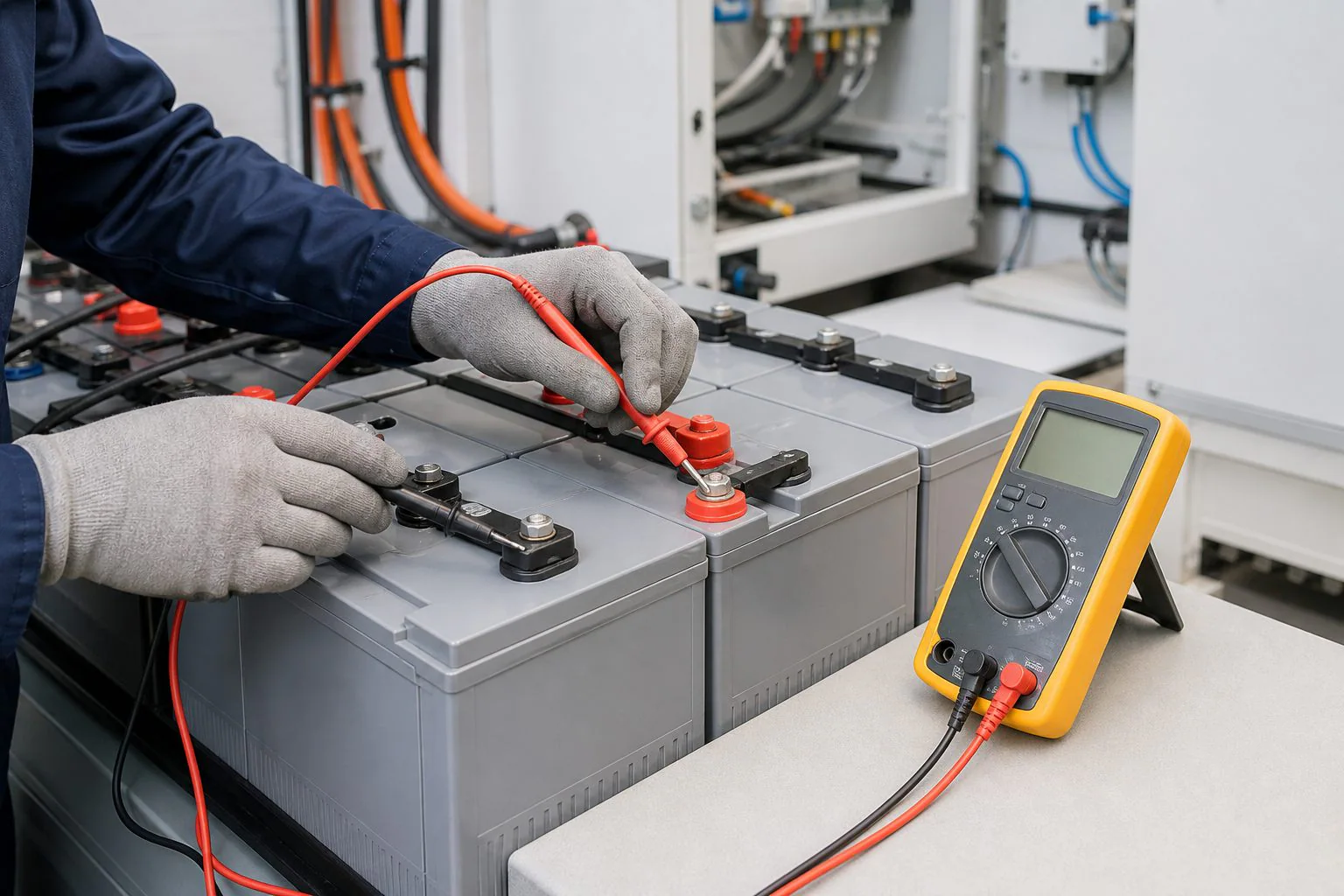
Estimate runtime from the freezer’s daily kWh and the battery’s usable delivered energy.
Suppose a 12V 100Ah battery stores:
Nominal energy = 12 × 100 = 1,200 Wh
Assume 80% of the battery is usable and the inverter is 90% efficient:
Delivered energy = 1,200 × 0.80 × 0.90
Delivered energy = 864 Wh
If the freezer uses 0.70 kWh, or 700 Wh, per day:
Runtime = 864 ÷ 700 × 24
Runtime ≈ 29.6 hours
The system must still start the compressor. Energy capacity alone does not guarantee that the battery, BMS, cables, or inverter can supply the peak current.
Actual runtime changes with temperature, battery chemistry, age, inverter consumption, and freezer duty cycle.
How to Reduce Freezer Electricity Use
Place the freezer where ventilation openings remain clear and ambient temperature stays within the approved range. Keep the condenser area clean if the manufacturer provides a cleaning procedure.
Inspect the door gasket and remove debris that prevents full contact. Organize contents so the door does not stay open while you search.
Use the recommended temperature rather than an unnecessarily cold setting. Defrost manual-defrost models when frost reaches the level specified in the manual.
If an older freezer appears expensive to operate, measure its kWh over several days and compare the result with efficient replacement models. A measured comparison is more useful than replacing equipment solely because of age.
Frequently Asked Questions
How many watts does an average freezer use?
A household freezer may draw roughly 80–250 W while actively cooling, although compact, large, or older models can fall outside this range. Average power over a full day is lower because the compressor cycles off. Check annual kWh for a better long-term comparison.
What is the difference between freezer running and starting watts?
Running watts describe normal compressor operation. Starting watts describe the brief surge needed to start the compressor. Starting power can be several times higher, so generators, inverters, and portable power stations must be checked for both continuous and surge output.
How many kWh does a freezer use per year?
ENERGY STAR gives example annual consumption of about 215 kWh for a certified chest freezer and 395 kWh for a certified upright freezer. Actual use depends on model, size, age, temperature, location, door openings, defrost system, and maintenance.
How many amps does a freezer use?
A freezer drawing 180 W at 120 V uses about 1.5 A under a simple calculation. The compressor’s startup current can be much higher. Check the nameplate and starting requirements when selecting a generator, inverter, breaker, or power station.
Does a freezer run continuously?
Normally, no. The thermostat switches the compressor on when cooling is needed and off after the target temperature is reached. Compressor runtime increases in hot surroundings, after frequent door openings, when warm food is added, or when seals and cooling components are not working properly.
Does a freezer use more electricity in a garage?
It can. A hot garage increases the heat the freezer must remove, often extending compressor runtime. A very cold garage may also fall outside the appliance’s approved operating range. Use a model designed for the temperatures expected in that location.
Can a 1,000-watt generator run a freezer?
It may run an efficient freezer after startup, but the compressor surge could exceed the generator’s available peak output. Check the freezer’s starting demand and the generator’s continuous and surge ratings. A larger generator may be necessary for some models or combined loads.
How can I measure my freezer’s actual power use?
Use a compatible plug-in electricity monitor that records both live watts and accumulated kWh. Measure for several days under normal conditions. The accumulated energy figure captures compressor cycling and defrost operation more accurately than a single instantaneous reading.
Choose the Right Number for the Job
The answer to how many watts does a freezer use changes according to what you are planning. Running watts help describe normal operation, starting watts matter for generators and inverters, and annual kWh determines electricity cost.
Start with the freezer’s EnergyGuide label, nameplate, or manual. For real operating data, measure accumulated kWh under normal conditions. That approach produces a far better answer than relying on one generic wattage for every chest, upright, compact, or deep freezer