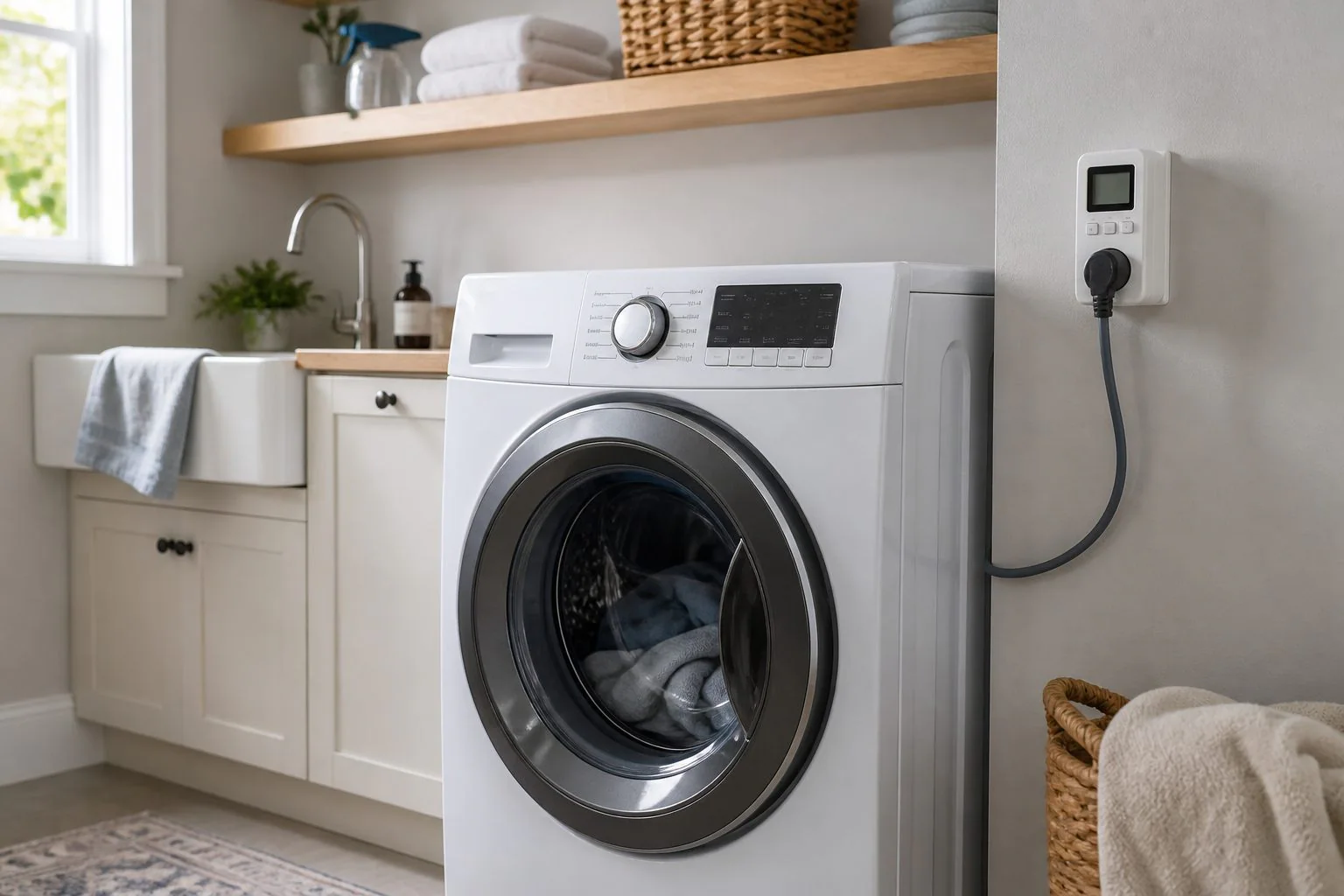
A typical household washing machine uses about 5 to 15 amps on a 120-volt supply. However, the answer to how many amps does a washing machine use depends on its wattage, voltage, design, and current stage of the wash cycle. A compact portable washer may draw less than 5 amps, while a large washer-dryer combination or a machine with an internal water heater can require considerably more.
Knowing the washing machine amp draw helps when checking outlet capacity, choosing a generator, sizing an inverter, or investigating a breaker that trips during laundry. It also prevents a common mistake: assuming that running current and startup current are identical. A washer’s motor, drain pump, and heating element do not necessarily operate at the same time or consume the same amount of power.
This guide explains washing machine amperage at common voltages and shows how to calculate it safely.
Quick Summary
Most standard washing machines in North America operate on 120 volts and draw approximately 5 to 15 amps, depending on the model and cycle. In countries with a 220–240V supply, the current may be lower for the same wattage.
Use this formula for a basic estimate:
Amps = Watts ÷ Volts
For example, a 1,000-watt washer operating at 120V draws about 8.33 amps. The same 1,000-watt appliance at 230V draws approximately 4.35 amps. Actual current can change during filling, washing, heating, draining, and spinning, so the manufacturer’s nameplate remains the most reliable source.
How Many Amps Does a Washing Machine Use?
Most conventional 120V household washers have a rated current somewhere within the broad range of 5 to 15 amps. This is not a universal rating. A high-efficiency front-load washer may use relatively little electricity during normal tumbling but briefly demand more current when its motor accelerates the drum.
Several components influence the total electrical load:
- The drum motor rotates and spins the load.
- The drain pump removes water from the tub.
- Water inlet valves open during filling.
- Electronic controls manage the selected program.
- An internal heating element may heat or maintain water temperature.
- Display panels and network features consume a small amount of standby power.
A washer does not normally operate every component continuously. Its current consumption rises and falls as the program progresses. Consequently, an energy meter may show a different reading during the wash cycle than during the high-speed spin cycle.
Washing Machine Amps at 120V, 220V, 230V and 240V
Voltage has a direct effect on amperage. If two machines consume the same wattage but operate at different voltages, the machine using the higher voltage requires fewer amps.
The following washing machine amps calculator table uses the basic watts-to-amps formula:
| Input power | Amps at 120V | Amps at 220V | Amps at 230V | Amps at 240V |
|---|---|---|---|---|
| 400W | 3.33A | 1.82A | 1.74A | 1.67A |
| 600W | 5.00A | 2.73A | 2.61A | 2.50A |
| 800W | 6.67A | 3.64A | 3.48A | 3.33A |
| 1,000W | 8.33A | 4.55A | 4.35A | 4.17A |
| 1,200W | 10.00A | 5.45A | 5.22A | 5.00A |
| 1,400W | 11.67A | 6.36A | 6.09A | 5.83A |
| 2,200W | 18.33A | 10.00A | 9.57A | 9.17A |
These figures are theoretical estimates, not guaranteed measurements. AC motors and electronic controls may introduce power-factor considerations, while real voltage can vary slightly. Check the rated amperage or maximum input power shown on the appliance nameplate before making an electrical decision.
How many amps does a washing machine use at 120 volts?
A 120V washing machine consuming 600 watts draws approximately 5 amps. At 1,200 watts, its calculated current is 10 amps. Many North American residential washers use this voltage, although the exact washer electrical requirements differ by manufacturer.
What about a 220V, 230V or 240V washer?
A 2,200-watt washing machine draws 10 amps at 220V, about 9.57 amps at 230V, or approximately 9.17 amps at 240V. Such ratings are more common in regions with 220–240V household supplies and in machines that heat their own water.
How to Calculate Washing Machine Amperage
Find the input wattage and operating voltage on the rating label, usually located behind the appliance, around the door opening, or inside the owner’s manual. Then apply:
[I = (P) ÷ (V)]
Here, (I) represents current in amperes, (P) is input power in watts, and (V) is supply voltage.
Suppose a washer has a maximum input power of 900 watts and operates at 120 volts:
[900 ÷ 120 = 7.5 amps]
For a 1,500-watt machine running at 230 volts:
[1500 ÷ 230 = 6.52 amps]
If the label already states rated current, use that figure instead of estimating it from marketing literature. Also avoid confusing annual energy consumption with instant power. Kilowatt-hours measure energy used over time; watts measure the rate at which power is consumed.
Running Amps, Starting Amps and Peak Current
Washing machine running amps describe current during ordinary operation. Starting amps refer to the brief inrush current that can occur when the motor starts or accelerates. Peak current is the highest demand reached during a particular stage.
The washer motor may produce a short surge as the drum begins turning. A drain pump can add another temporary load, while a heating element may create a longer period of relatively high demand. Modern inverter-driven motors often manage acceleration differently from older induction motors, so no single surge multiplier applies to every appliance.
This difference matters when selecting a generator, inverter, or portable power station. A source may appear adequate based on normal wattage yet shut down when the washer enters a more demanding stage. Look for the manufacturer’s starting-watt specification or measure the appliance with a suitable power meter. Do not assume that startup power is always exactly twice the running power.
Front-Load, Top-Load and Portable Washer Amp Draw
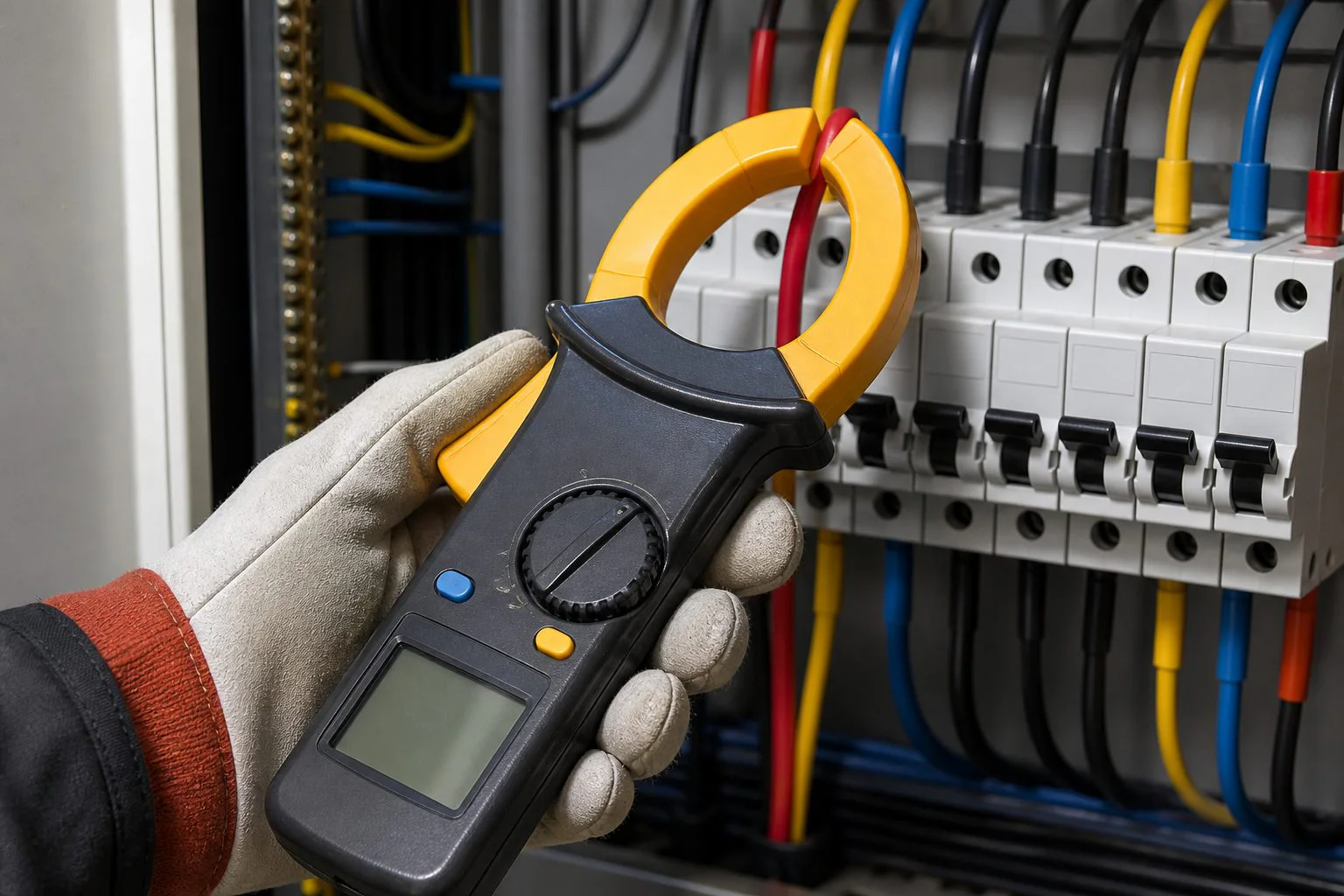
Washer design affects electricity use, but the type alone cannot reveal its exact amperage.
A high-efficiency front-load washer usually tumbles clothing through a smaller quantity of water. Its normal energy consumption may be lower than that of a conventional top-loader, although a built-in heater can increase the maximum electrical load. The high-speed final spin can also cause short changes in motor demand.
A traditional top-load washing machine may use an agitator or impeller. Agitator models move a substantial mass of water and clothing, while newer high-efficiency top-loaders operate differently. Capacity, motor technology, cycle selection, and load balance all affect the top-load washing machine amps.
Compact and portable washing machines commonly have smaller motors and capacities, so their amp draw is often lower. Still, “portable” does not guarantee compatibility with every extension lead, inverter, or small generator. Read the input rating rather than judging by physical size.
A washer-dryer combination presents another situation. Drying and water-heating functions can demand much more power than washing alone. Never use a washer-only estimate to size a circuit or backup supply for a combination appliance.
Does a Washing Machine Need a Dedicated Circuit?
Many homes place the washing machine on a dedicated laundry circuit so other appliances do not compete for the available capacity. The appropriate breaker size, wire size, receptacle, GFCI protection, and AFCI protection depend on the appliance instructions and electrical rules in the property’s location.
A circuit breaker is designed to protect the wiring—not merely to keep an appliance operating. Installing a larger breaker without confirming the wire capacity can create a serious overheating hazard.
Avoid running a washer on a lightweight household extension cord. Washing machines combine water, vibration, sustained current, and possible startup surge. If an extension is temporarily unavoidable, follow the manufacturer’s directions and obtain professional advice about the cord rating and environment.
For a permanent installation, have an electrician confirm:
- Supply voltage and frequency
- Appliance rated current
- Breaker and conductor capacity
- Grounding and receptacle condition
- Required GFCI or AFCI protection
- Whether the circuit supplies other loads
Local codes vary, so a universal claim that every washer needs the same breaker would be misleading.
Why Does a Washing Machine Trip the Breaker?
A breaker that trips repeatedly should not be treated as a normal inconvenience. The cause may be external to the washer, within the appliance, or somewhere in the circuit.
An overloaded circuit is one possibility. If a washer shares power with an iron, space heater, microwave, or another high-wattage appliance, their combined current may exceed the circuit’s safe capacity. A weak breaker, loose connection, damaged outlet, or undersized extension cord can also cause trouble.
Inside the washer, possible faults include a failing motor, defective drain pump, damaged heating element, moisture intrusion, shorted wiring, or control-board problem. An unbalanced or overloaded drum may make the motor work harder, although a correctly functioning machine should normally detect and manage many load problems.
Stop using the appliance if there is a burning smell, visible arcing, melted plastic, electric shock, unusual heat, or persistent tripping. Disconnect it only when doing so is safe, then arrange an inspection by a qualified appliance technician or electrician.
What Size Generator Will Run a Washing Machine?
A generator must cover both continuous running watts and short surge demand. Begin by reading the washer’s maximum input rating rather than relying on a category average.
For example, if a washer requires 1,000 running watts and has a manufacturer-specified 1,800-watt starting demand, the generator needs to support at least those figures. Other connected equipment must be included as well. A generator rated for 2,000 watts in total will not necessarily provide 2,000 watts continuously; manufacturers often publish separate running and peak limits.
The same principle applies when choosing a solar generator or portable power station for a washing machine. Check:
- Continuous AC output
- Surge or peak output
- Usable battery capacity
- Inverter waveform and appliance compatibility
- Expected energy consumption per cycle
A poorly sized power source may switch off as the motor accelerates or the internal heater starts. Leave reasonable headroom instead of operating the source at its limit throughout the wash.
Never operate a fuel-powered generator indoors, in a garage, or near an opening where exhaust could enter a building. Carbon monoxide can accumulate without warning.
Can an Inverter or Battery Run a Washer?
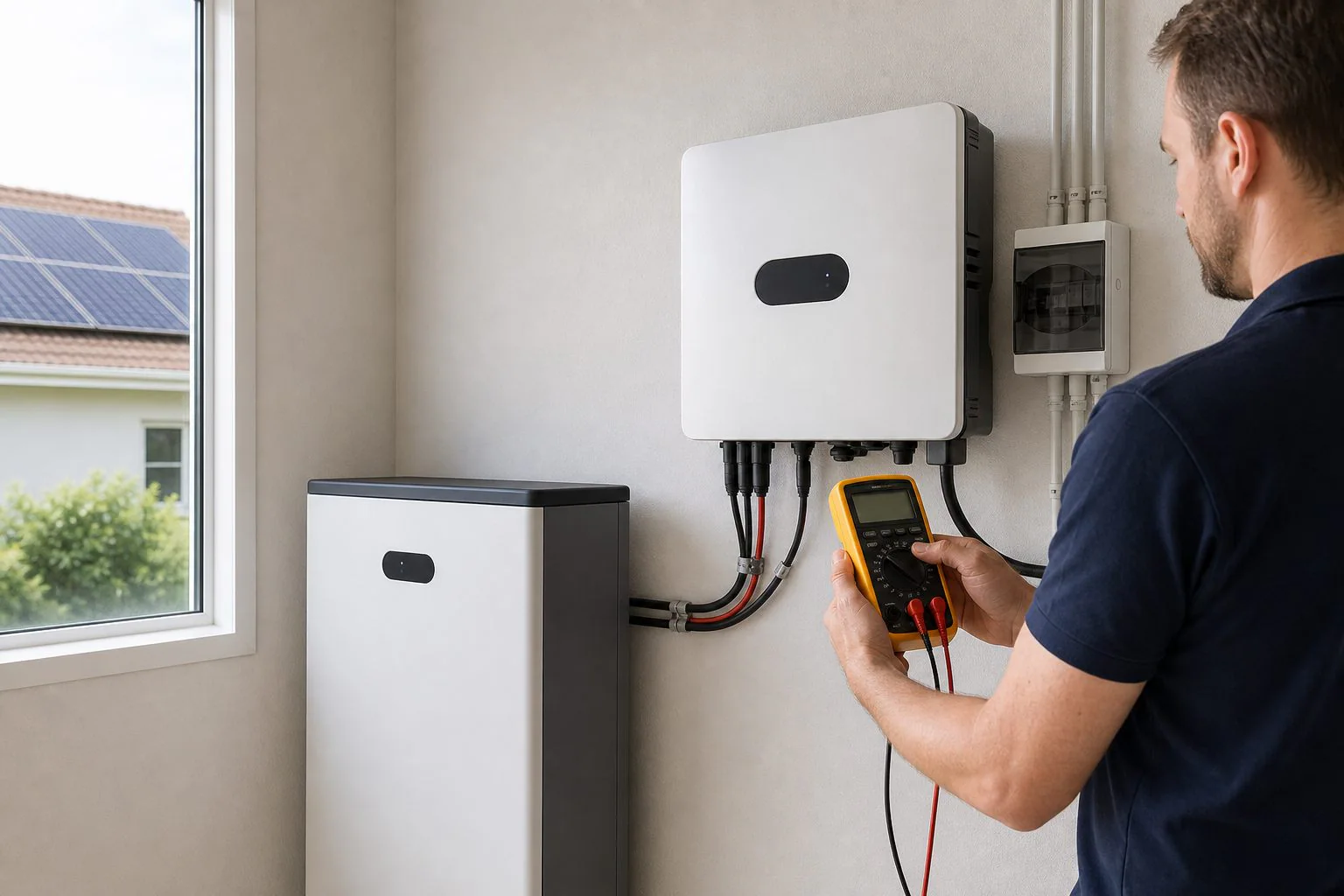
An inverter can run a washing machine if its continuous and surge ratings satisfy the washer’s electrical load. A pure sine wave inverter is generally the safer choice for appliances containing electronic controls and motors, subject to the manufacturer’s requirements.
Battery-side amperage is much higher than the washer’s AC amperage because battery voltage is lower. Estimate it using:
[Battery amps = (AC watts) ÷ (Battery voltage × inverter efficiency)]
A 1,000-watt washer powered by a 12V battery through an inverter operating at 90% efficiency would theoretically require:
[1000 ÷ (12 × 0.90) = 92.6 amps]
That figure excludes additional losses and surge demand. It explains why a system that handles only 8.33 amps at 120V may require heavy cables and a large current on the 12V side.
Battery capacity also determines runtime. A 1-kWh battery cannot necessarily deliver a full 1 kWh to the appliance because inverter losses, reserve settings, temperature, battery condition, and discharge limits reduce usable energy.
How Much Electricity Does a Washing Machine Use per Cycle?
Amperage describes current at a particular moment. Electricity cost is based on energy consumption, normally measured in kilowatt-hours.
Use:
[kWh = (watts × hours) ÷ (1000)]
If a machine averaged 500 watts for one hour, it would consume approximately 0.5 kWh. Real cycles are less straightforward because the motor, pump, valves, and heater operate intermittently. The washer may draw substantial current for a short period without sustaining it throughout the program.
Water temperature can make a major difference. A model that receives hot water from a separate household system may show lower appliance electricity use than one that heats cold water internally. Eco cycles may run longer but reduce energy by limiting heating and mechanical intensity.
For the best comparison, review the energy label or manufacturer’s stated kWh per cycle rather than multiplying maximum wattage by the entire cycle time.
Reading the Washer Nameplate Correctly
The nameplate is more dependable than a general online estimate. Look for voltage, frequency, rated current, input wattage, model number, and certification marks. A label may show maximum input rather than average consumption, which is useful when assessing circuit capacity but less useful for predicting a monthly bill.
Do not confuse the washer’s amperage with the rating printed on the outlet or breaker. A machine connected to a 20-amp circuit does not continuously consume 20 amps. That number identifies circuit capacity under specified conditions.
If the nameplate is damaged or inaccessible, search the exact model number in the official manual. Appliances that look almost identical can contain different motors, heaters, or power supplies.
FAQs
Do washing machines use 15 or 20 amps?
Many standard residential washers draw less than 15 amps during normal operation, but they may be installed on a circuit with a higher rating where local rules require it. Appliance draw and circuit capacity are different measurements. Verify the nameplate, installation manual, and applicable electrical code before selecting a breaker or outlet.
Can a washer run on a 15-amp circuit?
Some washing machines can operate on a correctly installed 15-amp circuit if their rated load and manufacturer’s instructions permit it. However, shared appliances may overload that circuit, and regional codes may require a dedicated laundry circuit with different capacity. An electrician should assess existing wiring rather than changing the breaker alone.
How many amps does a washer draw at startup?
Startup current varies by motor design, load, and control system. It may briefly exceed normal running current when the drum or pump starts. There is no accurate universal multiplier. Use manufacturer surge data or measure the exact model when sizing a generator, inverter, or power station.
Does a front-load washer use fewer amps than a top-loader?
A high-efficiency front-loader may consume less energy per cycle than a conventional top-loader, but it will not always have a lower maximum amp draw. Internal water heating and high-speed spinning can raise demand temporarily. Compare the rated current and kWh-per-cycle figures for the specific machines.
How many watts does a washing machine use?
Household washer power can range from a few hundred watts to more than 2,000 watts, especially when internal heating is involved. Power also changes during the cycle. Use the maximum input wattage for electrical planning and the energy-label kWh figure when estimating operating costs.
What size breaker does a washing machine need?
The correct breaker depends on the washer rating, circuit wiring, manufacturer’s instructions, and local electrical code. Do not size it from a generic appliance chart. A larger breaker is not an acceptable fix for nuisance tripping unless a qualified electrician confirms that the conductors and installation support it.
Can a 2,000-watt generator run a washing machine?
It may run a washer whose continuous and startup requirements remain within the generator’s respective limits. Account for every other connected load and check whether 2,000 watts represents peak or continuous output. Washer-dryer combinations and machines with heaters may exceed a small generator’s capability.
How many amps in a washing machine should I expect?
For a standard 120V household model, a broad expectation is approximately 5 to 15 amps. Compact machines may use less, while heated or combined units may use more. For a trustworthy answer, check the rated current on the appliance nameplate instead of relying solely on an average.
The answer to how many amps does a washing machine use ultimately comes from the machine’s own electrical rating. Voltage, motor design, heating features, and cycle stage all influence current. Calculate amps from watts when necessary, but use manufacturer data for circuit, generator, inverter, or safety decisions.