An amp chart for household appliances helps you estimate how much electrical current common devices draw while operating. It can be useful when checking a circuit, choosing a generator or inverter, planning backup power, or identifying which combination of appliances may overload an outlet.
There is no single amperage for every refrigerator, microwave, television, or washing machine. Current varies by model, supply voltage, operating mode, efficiency, and load. Appliances containing compressors or motors may also require a short burst of starting current that is much higher than their normal running current.
The charts below provide practical planning ranges for common household equipment. Treat them as estimates. The appliance nameplate, product manual, and manufacturer’s installation instructions should take priority whenever exact electrical information is available.
Quick Amp Chart for Household Appliances
For a basic resistive load, calculate current with:
Amps = Watts ÷ Volts
A 1,500W appliance draws approximately:
- 12.5 A at 120 V
- 6.82 A at 220 V
- 6.52 A at 230 V
- 6.25 A at 240 V
Here is a quick reference for several common home appliances:
| Appliance | Typical operating power | Common supply | Estimated running current |
|---|---|---|---|
| LED television | 30–200 W | 120 V | 0.25–1.67 A |
| Refrigerator | 100–400 W | 120 V | 0.83–3.33 A |
| Microwave | 1,000–1,700 W input | 120 V | 8.33–14.17 A |
| Coffee maker | 600–1,400 W | 120 V | 5.00–11.67 A |
| Toaster | 800–1,500 W | 120 V | 6.67–12.50 A |
| Dishwasher | 1,200–1,800 W | 120 V | 10.00–15.00 A |
| Washing machine | 400–1,400 W | 120 V | 3.33–11.67 A |
| Hair dryer | 1,000–1,875 W | 120 V | 8.33–15.63 A |
| Space heater | 750–1,500 W | 120 V | 6.25–12.50 A |
| Electric dryer | 3,000–6,000 W | 240 V | 12.50–25.00 A |
| Water heater | 3,000–5,500 W | 240 V | 12.50–22.92 A |
| Electric range | 3,000–12,000 W | 240 V | 12.50–50.00 A |
These broad ranges should not be used as replacement ratings for a specific appliance or circuit.
How to Calculate Appliance Amps
The relationship between watts, volts, and amps is:
P = V × I
Rearrange it to calculate current:
I = P ÷ V
Where:
- I is current in amperes
- P is power in watts
- V is operating voltage
Suppose a toaster is rated at 1,200 W and operates at 120 V:
I = 1,200 ÷ 120
I = 10 A
A 3,000W kettle operating at 230 V draws:
I = 3,000 ÷ 230
I ≈ 13.04 A
This simple formula gives a useful estimate for heating appliances and other loads with a power factor close to 1. Electronic and motor-driven appliances may have a lower power factor, changing the relationship between real watts and RMS current.
If the manufacturer provides a rated amp value, use that rather than attempting to recreate it from a generic wattage estimate.
Kitchen Appliance Amperage Chart
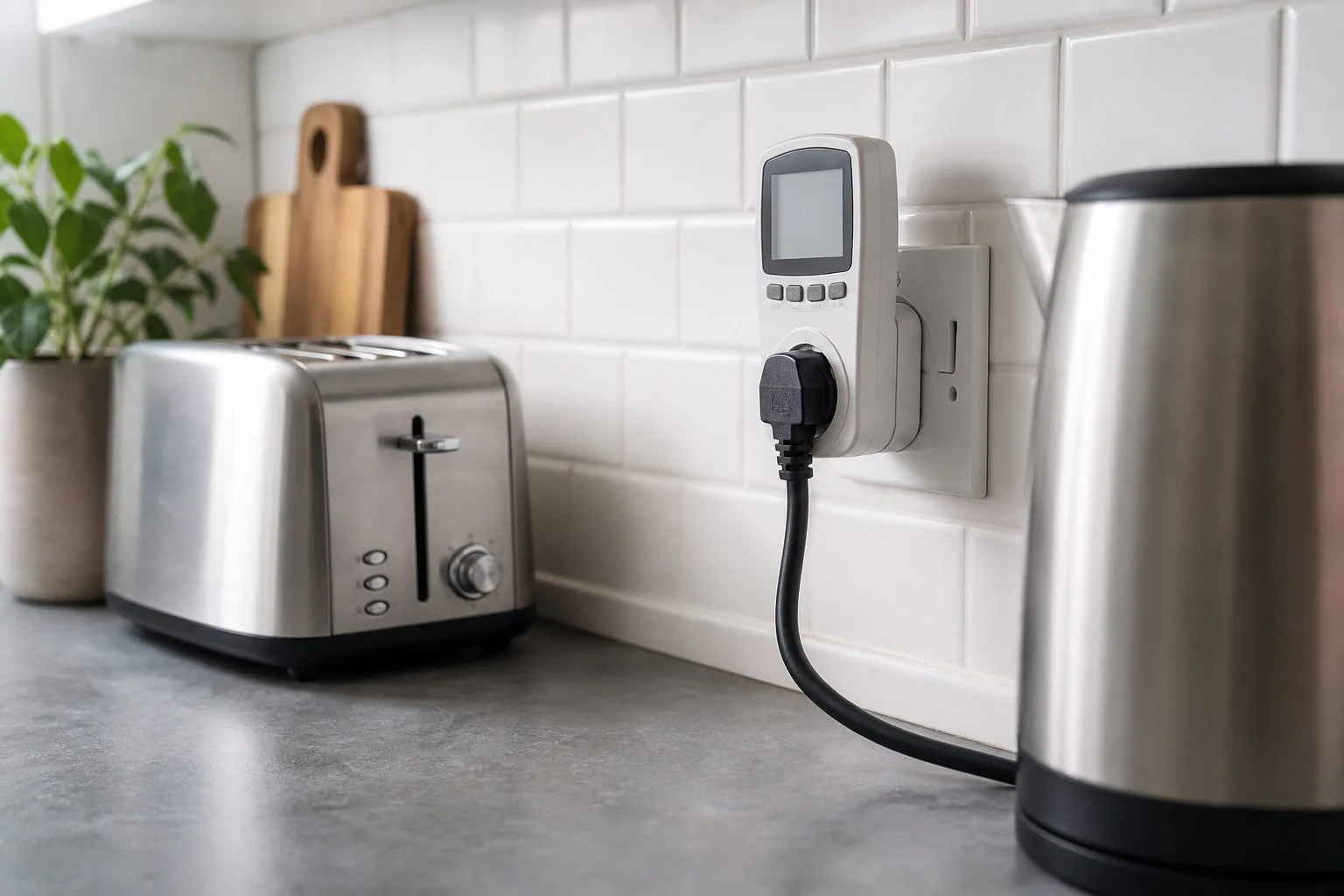
Kitchen equipment includes low-power electronics, resistive heating elements, and compressor-driven appliances. Their current patterns are quite different.
| Kitchen appliance | Typical running watts | Voltage | Estimated running amps |
|---|---|---|---|
| Refrigerator | 100–400 W | 120 V | 0.83–3.33 A |
| Freezer | 100–350 W | 120 V | 0.83–2.92 A |
| Microwave oven | 1,000–1,700 W input | 120 V | 8.33–14.17 A |
| Dishwasher | 1,200–1,800 W | 120 V | 10.00–15.00 A |
| Coffee maker | 600–1,400 W | 120 V | 5.00–11.67 A |
| Toaster | 800–1,500 W | 120 V | 6.67–12.50 A |
| Toaster oven | 1,200–1,800 W | 120 V | 10.00–15.00 A |
| Air fryer | 1,200–1,800 W | 120 V | 10.00–15.00 A |
| Blender | 300–1,000 W | 120 V | 2.50–8.33 A |
| Slow cooker | 100–350 W | 120 V | 0.83–2.92 A |
| Garbage disposal | 400–1,200 W | 120 V | 3.33–10.00 A |
| Electric range | 3,000–12,000 W | 240 V | 12.50–50.00 A |
A microwave’s advertised cooking output is not necessarily its electrical input. A unit sold as a “1,000-watt microwave” may take more than 1,000 W from the outlet. Use the input rating on its label when calculating microwave amperage.
Refrigerator amp draw also changes over time. The compressor cycles rather than running continuously, and startup demand can be considerably higher than steady running power. Defrost heaters, fans, ice makers, and controls create additional operating states.
Laundry and Cleaning Appliance Current
Laundry equipment may alternate among filling, tumbling, pumping, heating, and high-speed spinning. The current at one moment may not represent the entire cycle.
| Appliance | Typical operating power | Voltage | Estimated current |
|---|---|---|---|
| Washing machine | 400–1,400 W | 120 V | 3.33–11.67 A |
| Gas dryer electrical load | 300–800 W | 120 V | 2.50–6.67 A |
| Electric clothes dryer | 3,000–6,000 W | 240 V | 12.50–25.00 A |
| Vacuum cleaner | 500–1,400 W | 120 V | 4.17–11.67 A |
| Carpet cleaner | 800–1,500 W | 120 V | 6.67–12.50 A |
| Clothes iron | 1,000–1,800 W | 120 V | 8.33–15.00 A |
| Steam cleaner | 1,000–1,800 W | 120 V | 8.33–15.00 A |
| Robotic vacuum charger | 20–100 W | 120 V | 0.17–0.83 A |
Electric and gas clothes dryers have very different electrical requirements. A gas dryer uses gas for heat but still needs electricity for its motor, fan, drum, controls, and ignition. An electric dryer uses a high-power electrical heating element and normally requires a higher-voltage dedicated circuit.
ENERGY STAR notes that appliance efficiency varies among models. Its certified-product resources cover refrigerators, freezers, dishwashers, clothes washers, dryers, dehumidifiers, and other categories. The ENERGY STAR product directory can help compare energy performance, although installation ratings must still come from the appliance manufacturer.
Heating, Cooling, and Air-Movement Appliances
Heating elements can place a steady, heavy load on a circuit. Compressors and fan motors create a different challenge because they may need extra current during startup.
| Appliance | Typical operating power | Voltage | Estimated running current |
|---|---|---|---|
| Portable fan | 30–120 W | 120 V | 0.25–1.00 A |
| Ceiling fan | 20–100 W | 120 V | 0.17–0.83 A |
| Dehumidifier | 200–700 W | 120 V | 1.67–5.83 A |
| Window air conditioner | 500–1,500 W | 120 V | 4.17–12.50 A |
| Portable air conditioner | 900–1,800 W | 120 V | 7.50–15.00 A |
| Space heater | 750–1,500 W | 120 V | 6.25–12.50 A |
| Electric radiator | 1,000–1,500 W | 120 V | 8.33–12.50 A |
| Furnace blower | 300–1,000 W | 120 V | 2.50–8.33 A |
| Electric water heater | 3,000–5,500 W | 240 V | 12.50–22.92 A |
| Central air conditioner | 2,000–6,000 W | 240 V | 8.33–25.00 A |
Central air conditioners, heat pumps, and furnaces should be checked from their nameplates. HVAC equipment commonly lists values such as minimum circuit ampacity and maximum overcurrent protection. Those ratings are more useful for installation than a range based on general power consumption.
A 1,500W space heater draws 12.5 A at 120 V. Adding another large heating appliance to the same branch circuit may exceed its permitted load, even when smaller electronics have operated together without trouble.
Electronics and Small-Appliance Amp Draw
Home electronics usually draw less current than heating appliances, although a desktop computer or gaming setup can still create a meaningful combined load.
| Device | Typical operating power | Voltage | Estimated current |
|---|---|---|---|
| LED bulb | 8–15 W | 120 V | 0.07–0.13 A |
| Television | 30–200 W | 120 V | 0.25–1.67 A |
| Wi-Fi router | 5–25 W | 120 V | 0.04–0.21 A |
| Laptop charger | 45–100 W | 120 V | 0.38–0.83 A |
| Desktop computer | 200–800 W | 120 V | 1.67–6.67 A |
| Computer monitor | 20–100 W | 120 V | 0.17–0.83 A |
| Gaming console | 70–250 W | 120 V | 0.58–2.08 A |
| Printer | 20–600 W | 120 V | 0.17–5.00 A |
| Soundbar | 20–200 W | 120 V | 0.17–1.67 A |
| Phone charger | 5–100 W | 120 V | 0.04–0.83 A |
| Hair dryer | 1,000–1,875 W | 120 V | 8.33–15.63 A |
| Electric blanket | 50–120 W | 120 V | 0.42–1.00 A |
Printer current varies sharply by technology and operating state. A laser printer may draw much more power while heating its fuser than it does while idle. Computer power also depends on workload and installed hardware.
Standby consumption is generally small for one device, but numerous connected products can create a measurable phantom load over time.
Running Amps Versus Starting Amps
Running current is the amperage an appliance uses after reaching normal operation. Starting current is a brief higher draw produced when a motor or compressor begins turning.
Appliances that may have a meaningful startup surge include refrigerators, freezers, sump pumps, furnace blowers, air conditioners, garbage disposals, and washing machines.
A refrigerator drawing 2 A while its compressor runs could require several times that current momentarily at startup. The exact surge depends on the compressor, supply voltage, temperature, system pressure, and control design.
Resistive appliances such as kettles, toasters, irons, and basic space heaters generally do not have the same motor-starting pattern. Their running and starting wattage may be similar.
This distinction matters most when choosing a generator, inverter, or portable power station. A source can have enough continuous power for an appliance yet shut down when the compressor starts.
Using the Chart for Generator Sizing
Generator planning requires both running load and startup demand.
A useful process is:
- Identify every appliance that may operate at the same time.
- Record each appliance’s running watts.
- Identify the largest additional starting requirement.
- Add the simultaneous running watts.
- Add enough capacity for the most demanding startup event.
- Confirm voltage, outlets, breakers, and connection requirements.
Suppose a backup plan includes:
| Appliance | Running watts | Starting watts |
|---|---|---|
| Refrigerator | 180 W | 1,200 W |
| Freezer | 200 W | 1,200 W |
| Lights | 150 W | 150 W |
| Television and router | 150 W | 150 W |
| Microwave | 1,300 W | 1,300 W |
If all running loads operate together, they total 1,980 W. The generator must also cope with motor startup and any overlap between loads.
Honda’s generator wattage estimation guide separates running and starting wattage and recommends power management rather than simply assuming every appliance starts simultaneously.
Do not choose a generator from amperage alone. Confirm whether it supplies 120 V, 120/240 V, or another voltage, and check the current available at each receptacle.
Inverter and Battery Planning
For an inverter, add the AC wattage of simultaneous appliances and confirm both continuous and surge ratings. Then calculate current on the battery side.
A 1,200W microwave powered from a 12V battery through a 90%-efficient inverter would theoretically require:
Battery current = 1,200 ÷ (12 × 0.90)
Battery current ≈ 111.11 A
The current drawn from the battery is much higher than the 10 A drawn by a 1,200W resistive load at 120 V because the battery voltage is much lower.
Battery runtime depends on usable watt-hours, not merely inverter wattage:
Runtime = usable battery energy in Wh ÷ load watts
A 12V 100Ah battery stores 1,200 Wh nominally. If 80% is usable and inverter efficiency is 90%:
Delivered energy = 1,200 × 0.80 × 0.90 = 864 Wh
A constant 200W load would have an estimated runtime of:
864 ÷ 200 = 4.32 hours
Actual performance varies with battery condition, chemistry, temperature, discharge rate, inverter consumption, and changing appliance loads.
Can You Add Appliance Amps Together?
You can add current values when the appliances operate at the same voltage and are supplied by the same circuit or power source. However, use realistic simultaneous demand rather than adding every appliance in the house without considering when it operates.
If a 120V circuit supplies a 10 A coffee maker, a 1 A television, and a 0.5 A laptop charger at the same time, the combined load is approximately:
10 + 1 + 0.5 = 11.5 A
Do not directly add 120V and 240V appliance current when assessing a split-phase service without accounting for which lines supply each load and how the loads are distributed. A whole-home load calculation is more involved than summing a list of appliance labels.
Generator and inverter calculations are often easier in watts because equipment may operate at different voltages.
Understanding 15A and 20A Circuits
At 120 V, a 15 A circuit has a simple volt-ampere value of:
120 × 15 = 1,800 VA
A 20 A circuit has:
120 × 20 = 2,400 VA
These values do not mean every circuit should carry that level continuously. Permitted loads depend on the type and duration of the load, wiring method, conductor rating, breaker, receptacles, equipment instructions, and locally adopted electrical rules.
High-power appliances may require dedicated circuits. Examples can include electric ranges, dryers, water heaters, dishwashers, microwaves, HVAC equipment, and some refrigerators or freezers, depending on the installation and local requirements.
A tripping breaker is not a signal to install a larger breaker. The load and wiring must be evaluated first.
How to Find an Appliance’s Real Amperage
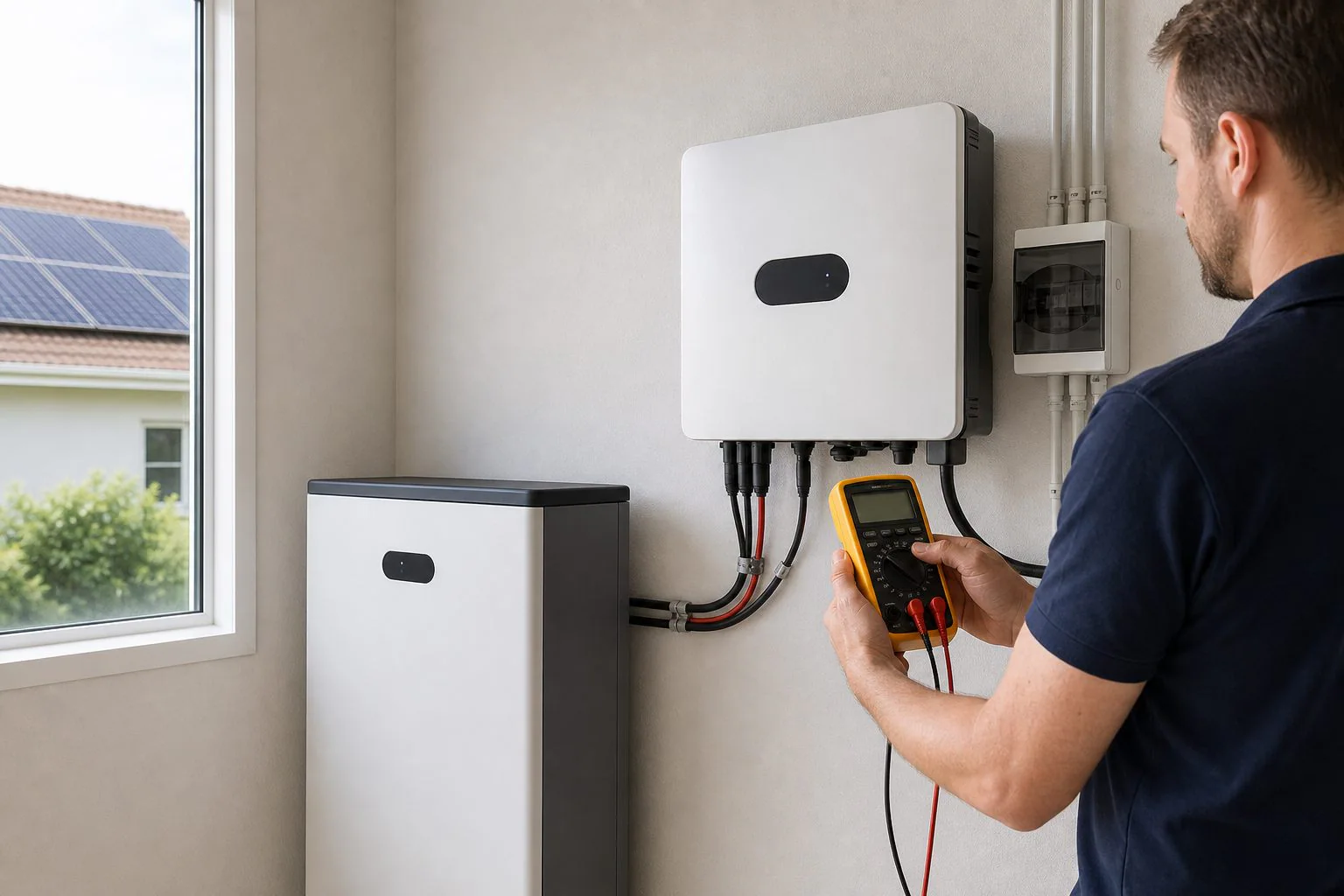
The best source is the appliance nameplate. It may list volts, amps, watts, frequency, and model information. If watts are provided, divide by the rated voltage for a basic estimate.
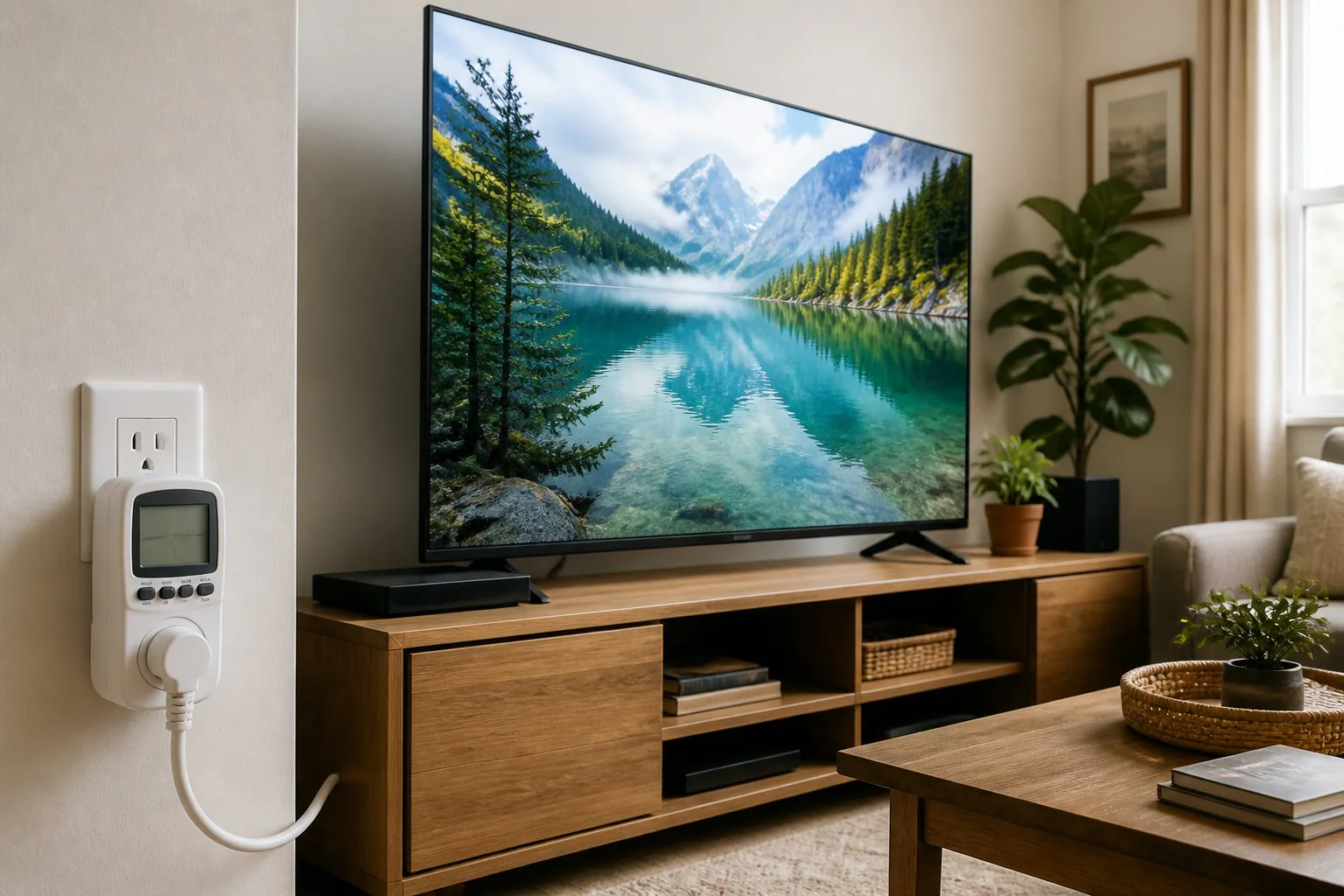
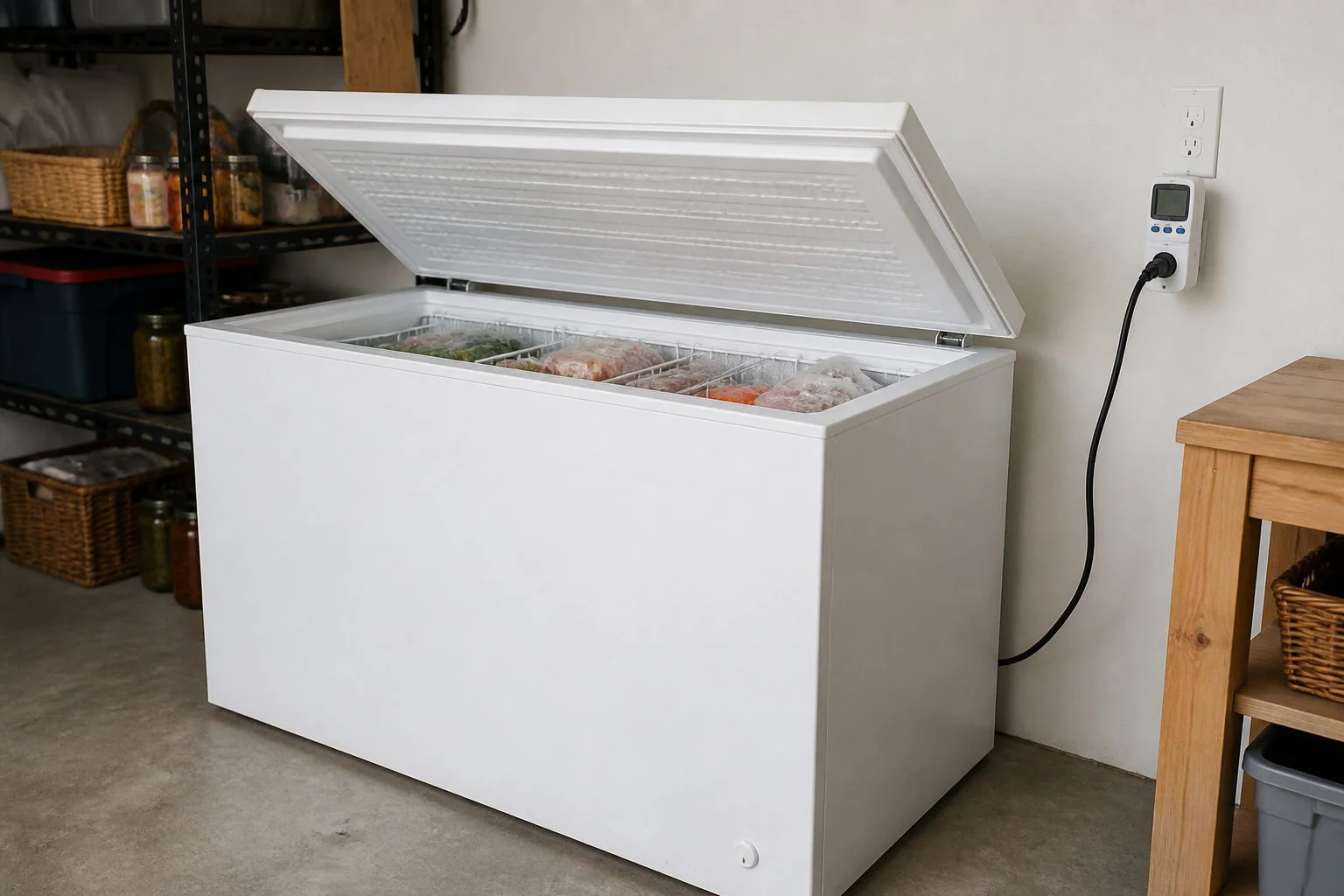
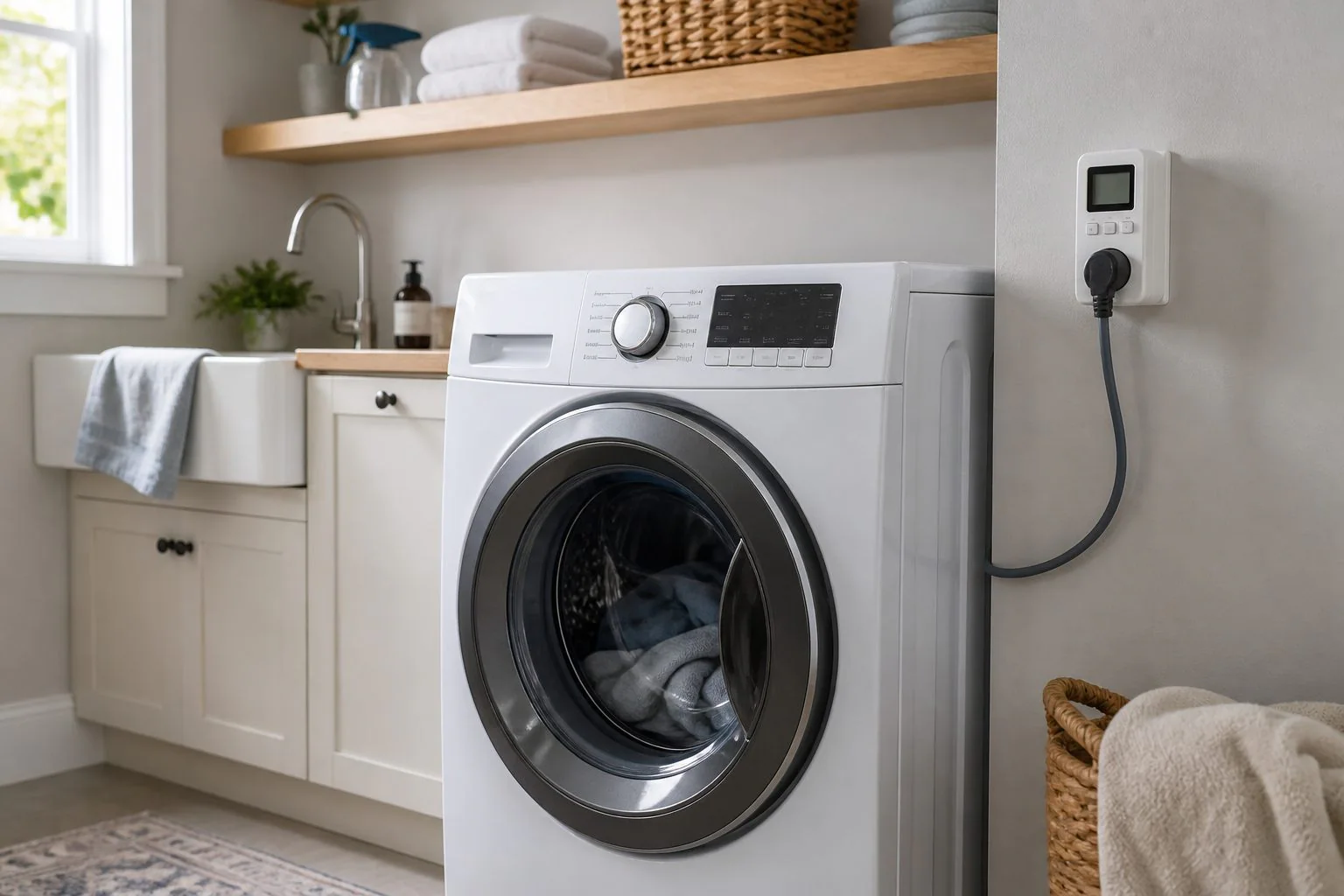
A plug-in power meter can show operating watts and energy use for compatible cord-and-plug appliances. It is useful for televisions, computers, refrigerators, and many kitchen appliances, provided neither the meter nor outlet is exceeded.
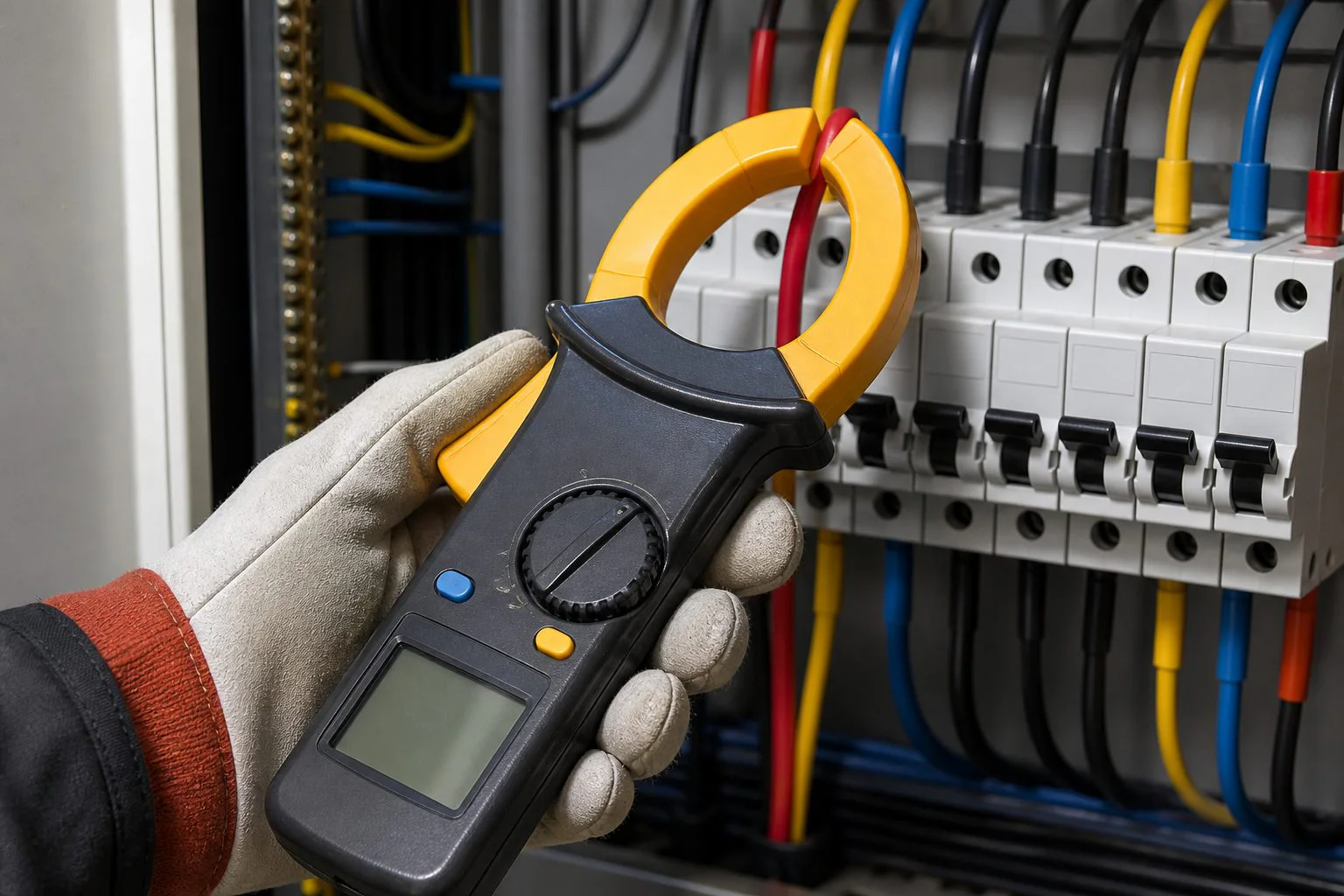
Current measurement with a clamp meter requires access to an individual conductor. Clamping around an entire power cord usually causes the opposing currents to cancel. Opening wiring, separating conductors, or measuring inside electrical equipment can expose dangerous voltage and should be left to a qualified person.
Electrical Safety First describes published appliance ratings as indicative and recommends checking actual products. Its ratings of electrical appliances also emphasizes inspecting plugs and cords for damage.
Amps Do Not Tell You the Electricity Cost
Amps help describe circuit loading, but electricity bills are based on energy use in kilowatt-hours.
Calculate energy with:
kWh = watts × hours ÷ 1,000
A 1,500W space heater running for three hours uses:
1,500 × 3 ÷ 1,000 = 4.5 kWh
A 200W appliance running for the same period uses:
200 × 3 ÷ 1,000 = 0.6 kWh
To estimate cost:
Electricity cost = kWh × local rate
At an example rate of $0.20 per kWh, the heater’s three-hour use would cost:
4.5 × $0.20 = $0.90
Replace the sample price with the complete rate from your electricity bill. Taxes, delivery charges, and time-of-use pricing can affect the real cost.
Frequently Asked Questions
How many amps does a refrigerator use?
A refrigerator using 100–400 W draws approximately 0.83–3.33 A at 120 V while running. Compressor startup current can be higher. Check the nameplate because size, age, ambient temperature, defrost heaters, ice makers, and compressor design affect actual demand.
How many amps does a microwave use?
A microwave with an electrical input of 1,000–1,700 W draws about 8.33–14.17 A at 120 V. Use input wattage rather than advertised cooking output. Some models may require a dedicated circuit according to their instructions and local requirements.
How many amps does a washing machine use?
A washing machine using 400–1,400 W draws approximately 3.33–11.67 A at 120 V. Current changes during filling, agitation, pumping, heating, and spinning. Use the nameplate value when checking circuit compatibility.
How many amps does an electric dryer use?
An electric dryer using 3,000–6,000 W at 240 V draws about 12.5–25 A by simple power conversion. Actual circuit requirements may be higher than the calculated operating value. Follow the dryer’s nameplate, installation manual, plug configuration, and applicable electrical rules.
Which household appliances use the most amps?
Electric ranges, dryers, water heaters, space heaters, kettles, hair dryers, air conditioners, and other heating or cooling equipment can draw substantial current. The exact order depends on voltage and model. Large 240V appliances may use more total power while drawing less current per watt than comparable 120V loads.
Can two high-power appliances share an outlet?
Only if their combined load remains within the outlet, branch circuit, and connected equipment ratings. Two heating appliances can easily overload a general-use circuit. Avoid using power strips or extension cords as a way to add high-power loads.
How many appliances can run on a 15A circuit?
There is no fixed appliance count. Add the simultaneous current or wattage of the connected loads, then apply the locally required rules for continuous and dedicated loads. A few low-power electronics may be acceptable, while one high-power heater can consume most of the circuit’s capacity.
What size generator is needed for household appliances?
Add the running watts of appliances that will operate together, then allow for the highest startup demand likely to occur while those loads are running. Confirm the generator’s continuous output, surge capability, voltage, receptacle ratings, fuel-based derating, and manufacturer instructions.
Use Estimated Values Carefully
An amp chart for household appliances is most useful for early planning and comparison. It can reveal which devices dominate a circuit, which loads may challenge a generator, and why low-voltage battery systems carry high current.
Before connecting equipment or selecting a breaker, cable, generator, inverter, or power station, replace estimated values with the appliance’s real nameplate data. Account for startup demand, simultaneous operation, supply voltage, and manufacturer instructions. For permanent wiring or uncertain circuit conditions, use a qualified electrician.